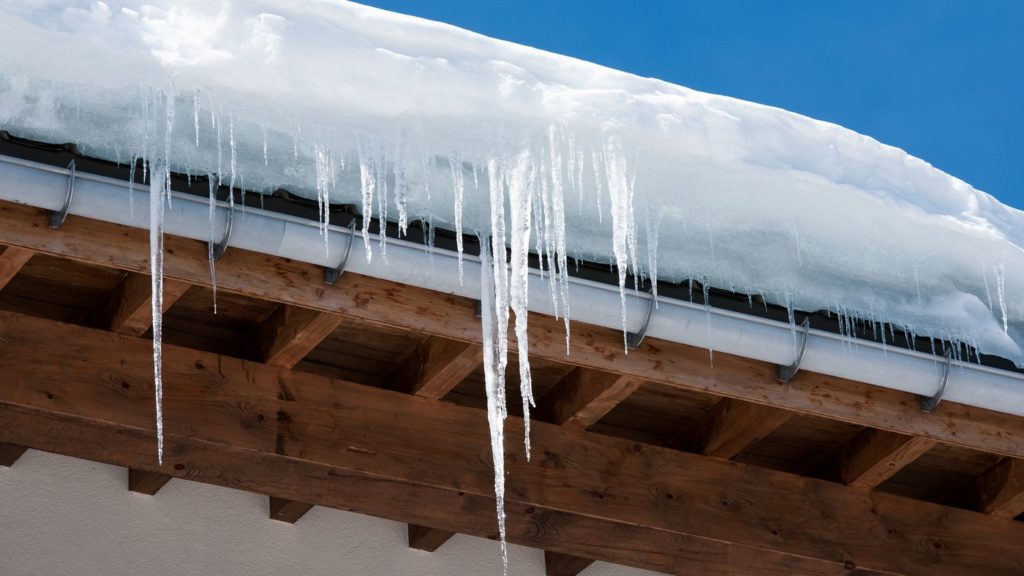
Winters are tough enough without worrying about what is happening on top of your house. If you live in a snowy climate, ice dams are one of the biggest threats to your roof, your attic, and even the inside of your home. They might look harmless from the ground, just a buildup of ice and a few long icicles, but they can cause serious and expensive damage if they are ignored.
This guide explains what ice dams are, how they damage your roof, what warning signs to watch for, and what you can do to prevent them.
What Is An Ice Dam?
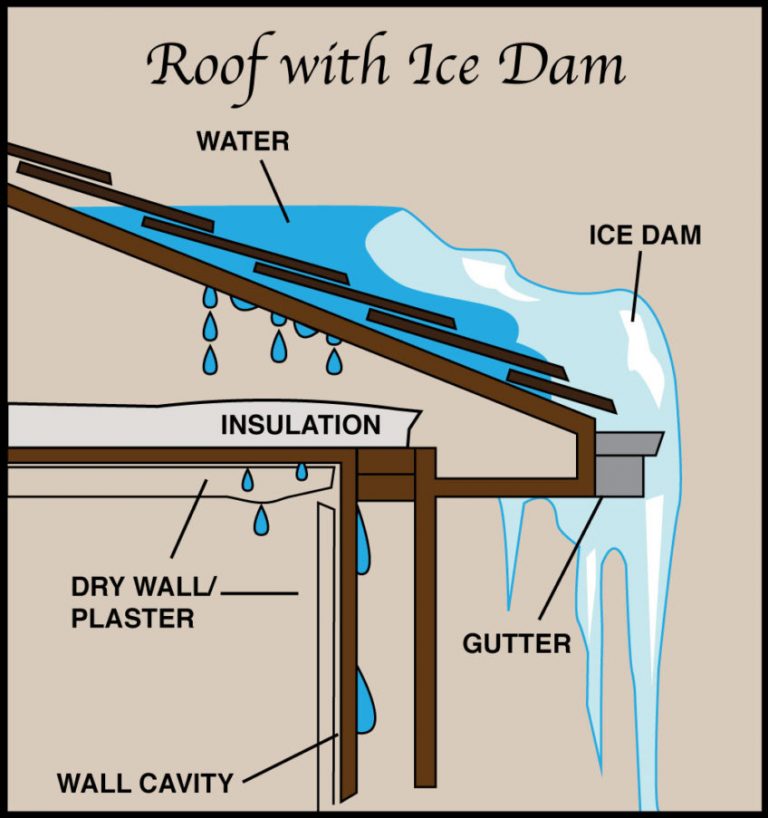
An ice dam is a ridge of ice that forms along the edge of your roof, usually near the gutters. It happens when:
- Snow builds up on your roof.
- Heat from inside your home escapes into the attic and warms the upper part of the roof.
- That heat melts the snow near the top of the roof.
- The melted water runs down toward the colder roof edge and refreezes there.
Over time, this freeze and thaw cycle creates a solid block of ice at the eaves. That ice dam traps more melted snow behind it, and that is when the trouble starts. The water has nowhere to go, so it can work its way under your shingles and into your home.
How Ice Dams Damage Your Roof
Once an ice dam forms, the water it holds back can cause a chain reaction of problems.
1. Water Backs Up Under Your Shingles
Your shingles are designed to shed water downward. When water backs up and sits on the roof instead, it can work its way:
- Under the edges of shingles
- Through nail holes and small gaps
- Into the underlayment and roof decking
- Rotting roof decking
- Soft spots on the roof
- Loose or curling shingles
2. Leaks Inside Your Home
Once water reaches the wood deck and continues to seep in, it can travel along rafters and framing. Eventually, it shows up inside your home as:
- Ceiling stains and bubbling paint
- Wet or sagging drywall
- Streaks or discoloration on walls
Left alone, these leaks can damage insulation, framing, and interior finishes, which means more repairs later.
Moisture that gets into your attic or wall cavities creates the perfect environment for mold and mildew. This can lead to:
- Damaged insulation that no longer holds heat properly
- Musty odors inside the house
- Potential air quality issues over time
4. Damaged Gutters, Fascia, and Soffits
Ice dams are heavy. That weight can:
- Pull gutters away from the house
- Bend or crack aluminum or vinyl gutters
- Damage fascia boards and soffits
- Loosen fasteners and brackets
Once the gutter system is compromised, it becomes harder to manage water in spring and summer storms as well.
Warning Signs You Might Have An Ice Dam
You might not be able to see the top of your roof, but there are clear signs that ice dams are forming:
- Thick ridges of ice along the roof edge
- Large, heavy icicles hanging from gutters or eaves
- Ice forms only in certain roof valleys or low points
- Water stains or damp spots on ceilings and exterior walls
- Peeling paint around window frames or along the ceiling line
- Frost or moisture visible on the underside of the roof decking in the attic
If you notice any of these signs during or after a cold spell, it is smart to have your roof checked before the problem gets worse.
What Causes Ice Dams?
Ice dams are not just a “snow on the roof” problem. They are usually a sign of an underlying issue with your home.
Poor Attic Insulation – If your attic does not have enough insulation, heat from your living spaces can escape into the attic and warm the roof surface. A warm roof under snow is the perfect setup for ice dam formation.
Air Leaks From The House Into The Attic – Even with insulation, warm air can leak into the attic through:
- Recessed lighting Attic hatches or pull down stairs
- Bathroom and kitchen exhaust vents
- Gaps around chimneys, plumbing vents, and wiring
Inadequate Roof Ventilation – Your roof needs balanced intake and exhaust ventilation, usually through soffit vents and ridge vents, so that cold outside air can flow through the attic and keep the roof deck closer to the outdoor temperature. Poor ventilation lets heat build up and warms the roof from below.
Roof Design and Sun Exposure – Certain roof features are more prone to ice dams, such as:
- Long roof spans with heavy snow loads
- Valleys where snow piles up
- North-facing or shaded areas that stay colder
- Dormers and complex rooflines that disrupt airflow
Clogged or Ineffective Gutters – Gutters that are full of leaves, debris, or already frozen water can make drainage worse and let water back up at the edge of the roof.
What To Do If You Already Have Ice Dams
If you suspect you have ice dams, safety comes first. Do not climb onto an icy roof, and do not try to chip away the ice with a hammer, axe, or shovel. That can easily damage shingles and gutters or cause a fall.
Here are safer short-term steps:
- Use a roof rake from the ground to pull excess snow off the lower part of the roof. Focus on the first few feet above the eaves.
- Move furniture and valuables away from any areas where water is leaking inside. Use buckets or plastic sheeting to protect floors.
- Consider using calcium chloride “ice melt” in roof safe products, never rock salt, placed in socks or tubes laid across the ice dam to help melt channels for water to escape.
- Call a professional roofing contractor to inspect the roof, address immediate issues, and check for hidden damage.
Long-Term Ways To Prevent Ice Dams
The best way to deal with ice dams is to stop them from forming in the first place. That means addressing insulation, air sealing, ventilation, and roofing materials.
-
Improve Attic Insulation Bringing your attic insulation up to recommended levels:
1. Helps keep heat inside your living space, not your attic
2. Keeps the roof deck colder and more consistent
3. Reduces energy bills while also protecting the roof
-
Seal Air Leaks A professional can help locate and seal air leaks around:
1.Recessed lights
2. Attic access doors
3. Exhaust fans
4. Plumbing and electrical penetrations This keeps warm air where it belongs and prevents hot spots on the roof.
-
Upgrade Roof Ventilation Balanced ventilation is crucial. That usually means:
1. Adequate soffit vents for intake
2. Proper ridge vent or other exhaust vents
3. Clear airflow paths so insulation does not block vents Good ventilation helps maintain a more even roof temperature.
-
Install Ice and Water Shield When Reroofing If you are replacing your roof, your contractor can install an ice and water shield membrane along eaves, valleys, and other vulnerable areas. This waterproof barrier:
1. Provides extra protection if water gets under shingles
2. Helps protect the roof deck from leaks caused by ice dams
-
Keep Gutters Clean and In Good Shape Regular gutter maintenance helps keep water flowing away from the roof edge. In some cases, upgrading damaged or undersized gutters can also help manage winter meltwater more effectively.
How Kraz Construction Can Help Protect Your Home
Ice dams are not just a winter nuisance. They are a warning sign that your roof, insulation, or ventilation may not be performing the way they should. A proper inspection by an experienced roofing contractor can help you understand what is happening and what needs to be fixed.
Kraz Construction has been helping homeowners protect their homes for generations, with over 90 years in the industry. As a trusted roofing contractor, they can:
- Inspect your roof for ice dam damage, leaks, and hidden issues
- Check your attic ventilation and make recommendations
- Install high quality roofing systems with proper ice and water protection
- Repair or replace damaged shingles, decking, gutters, and fascia
If you have noticed ice buildup, large icicles, or new water stains after a winter storm, do not wait for the problem to get worse. A professional inspection and the right long-term fixes can protect your roof, your home, and your peace of mind for many winters to come.
Schedule Your Ice Dam Roof Inspection Today
If you have noticed thick ice along your roof edge, heavy icicles, or new water stains on your ceilings after a winter storm, do not ignore them. These are often early signs of ice dam damage that can lead to costly repairs if left untreated.
Kraz Construction can inspect your roof, check your attic ventilation, and recommend the right repairs or replacements to protect your home. Our team brings decades of experience, quality materials, and careful workmanship to every project.
Call Kraz Construction today at 219-248-3911 or message us online to schedule a roof inspection and discuss long-term solutions to prevent ice dams and keep your home dry, safe, and comfortable all winter.